

Different Breeds
Miniature Cow Breeds We Raise
If you own a small farm, and you want to maximize value, miniature cattle breeds are the right breed. It is a great option to choose a cow from miniature cattle breeds instead of spending on a full-size cow. They will need less pasture. You save on both in times of rising food prices and concerns regarding food quality. Before you choose a mini cow at Broadway Family Farms, you need to know about different breeds of mini cows.
Many people raise mini cows for meat. Others raise them for fresh dairy products which they can get from a milk cow. Small-breed cattle may be a more viable alternative.
Let’s dive in to find details about mini cow breeds and how you can own a mini cow. As per the International Miniature Cattle Breeder’s Society and Registry, there are more than 26 mini cow breeds.
As it is common with every other animal breed, only a few of them are recognized by the public as the “best” breeds to get.
Whether different breeds of mini cows are the best for their cuteness, how useful they can be, or expensive dairy products are all left up to debate.
The following breeds can best work for you if you’re planning to start a mini-farm of your own:
Mini
American Aberdeen
Mini
Hereford
Mini
American Beltie
Mini
Black Hereford
Characteristics of Mini Cow Breeds
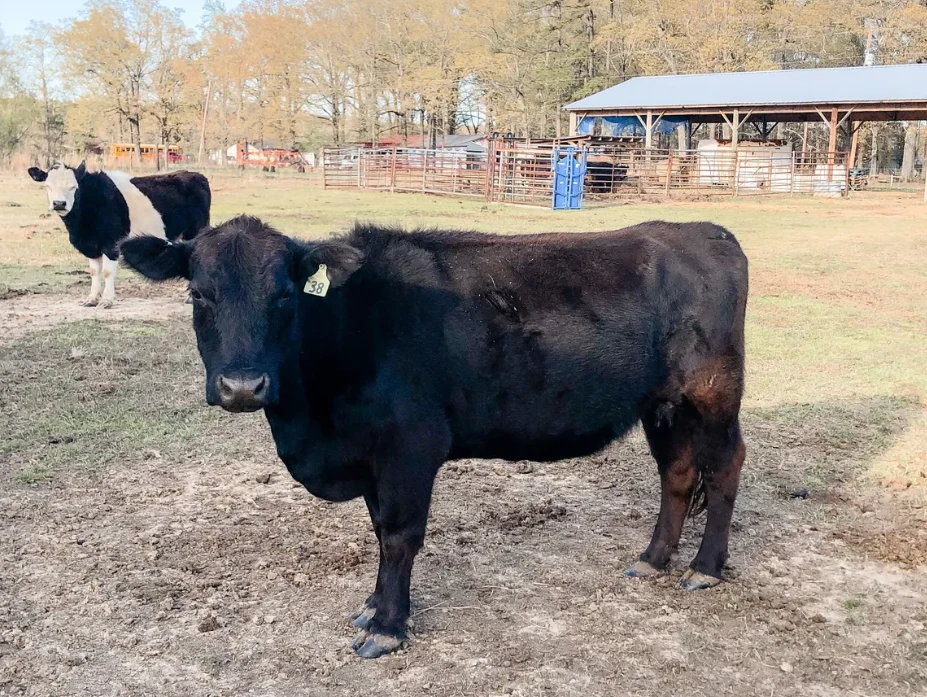
Mini American Aberdeen (also known as Lowline Angus)
- It is the smallest breed of cattle but doesn’t come in the category of the dwarf breed
- They are solid black in color
- These breeds of mini cows weighs 650 to 950 pounds and are 36 to 42 inches in height, and bulls weigh 950 to 1350 pounds and are 39 to 46 inches in height
- Lowline Angus is a beef breed and has a higher percentage of marbled meat
- Their carcass yield is high. They adapt well to varying climatic conditions
- One of the most docile breeds from different breeds of mini cows
- They are polled, so you don’t have to worry about your safety as they don’t have horns to harm you
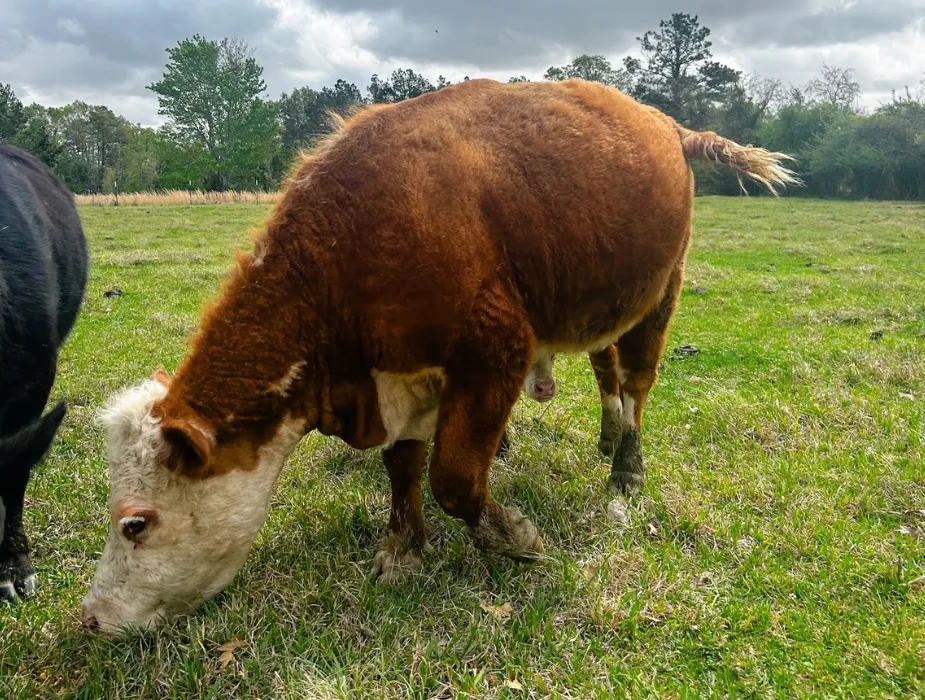
Mini Hereford
- They are a small, compact, efficient breed of cattle
- They are red in color with some variation in color, from deep cherry to a red-orange color
- Average Miniature Hereford cows weigh around 500-800 lbs and are 107cm (42 inches) in height, and a bull can weigh 1000+ lbs
- They are beef cattle from different breeds of mini cows
- They adapt to a variety of environments
- Mature more quickly than the standard breeds
- Mini Herefords can be horned or polled
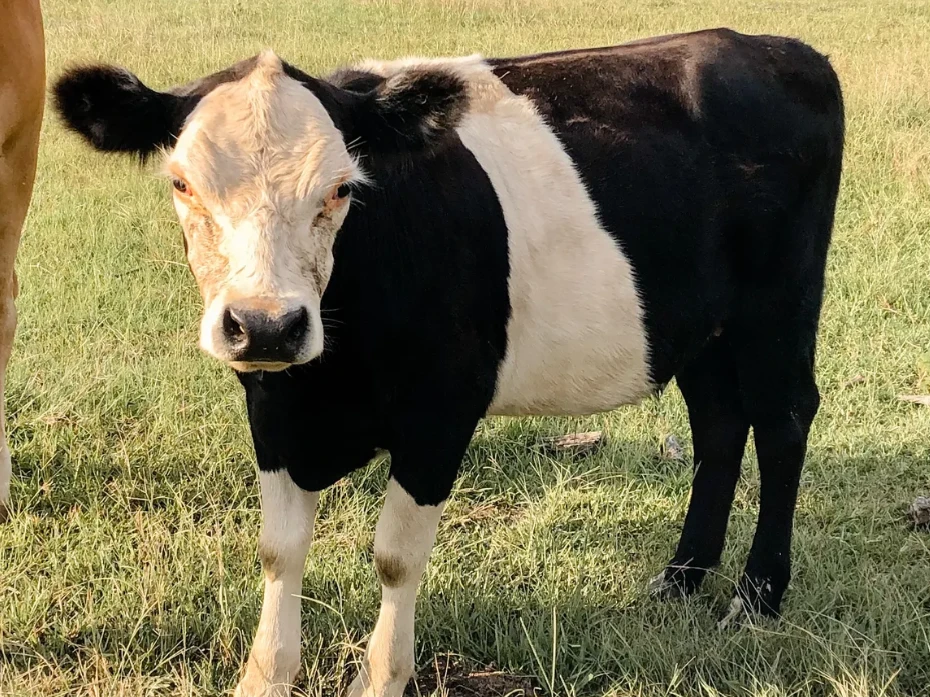
American Mini Beltie
- Belties have a reputation for longevity and may live until 17 to 20 years
- They are very calm, gentle breeds and adapt to any climate
- Mini Beltie cows are 120 cm at the hip and 125 cm for a male
- They have a solid color but with a white belt around their midriff
- Galloways are an extremely fertile breed
- They are easy to manage and have very high resistance to disease
- Excellent beef qualities
- Mini Belties are naturally polled
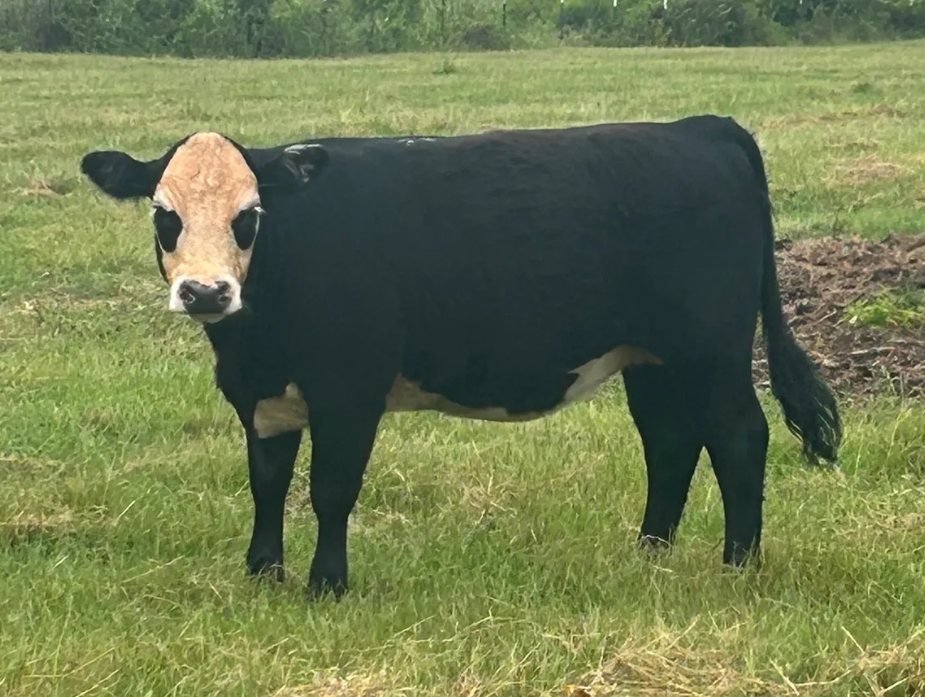
Mini Black Hereford (also known as Black Baldie)
- Features an iconic Hereford white face, crest, and tail switch paired with a sleek black body
- Stands between 38 to 44 inches tall at the hip and weighs 600 to 900 lbs at maturity
- Known for a calm, gentle nature that makes them easy to handle for homesteaders and youth projects.
- Requires 30% to 40% less feed than full-sized cattle, allowing higher stocking density per pasture.
- Causes significantly less soil compaction and pasture damage due to their smaller weight and hooves.
- Calves are born small (35 to 55 lbs) with minimal calving issues, and cows yield ample milk.
- Produces tender, well-marbled beef in practical carcass portions that easily fit into a home freezer.
- Most cattle are born naturally hornless, ensuring safer and simpler herd management.